Understanding Online Audio Mastering
What is Online Audio Mastering?
Online audio mastering is the final step in the music production process, where audio tracks are polished and prepared for distribution. It involves enhancing the overall sound quality, ensuring consistency across tracks, and making them suitable for various listening environments such as streaming services, radio, and physical media. By utilizing specialized software and techniques, mastering engineers can elevate a track's loudness, clarity, and tonal balance, ensuring it stands out in a competitive market.
The Importance of Online Audio Mastering
The significance of online audio mastering cannot be overstated. It plays a vital role in how listeners perceive music. A well-mastered track ensures that artists' musical intentions are effectively communicated, providing clarity in every note. Moreover, with the rise of digital platforms, mastering becomes crucial in delivering audio that meets industry standards, catering to the preference of audiophiles and casual listeners alike. If you're looking to improve your sound quality, embracing online audio mastering services can be a game-changer.
Common Myths About Online Audio Mastering
Several myths surround online audio mastering that can deter artists from seeking professional help. One prevalent misconception is that mastering is unnecessary if a mix sounds good. In reality, mastering enhances a mix and prepares it for a wider audience. Another myth is that mastering can fix poorly mixed tracks. While it can mitigate some issues, it cannot remedy fundamental mix problems. Understanding these myths is crucial for artists to make informed decisions about their music production strategies.
Key Components of the Mastering Process
Equipment and Software Essentials
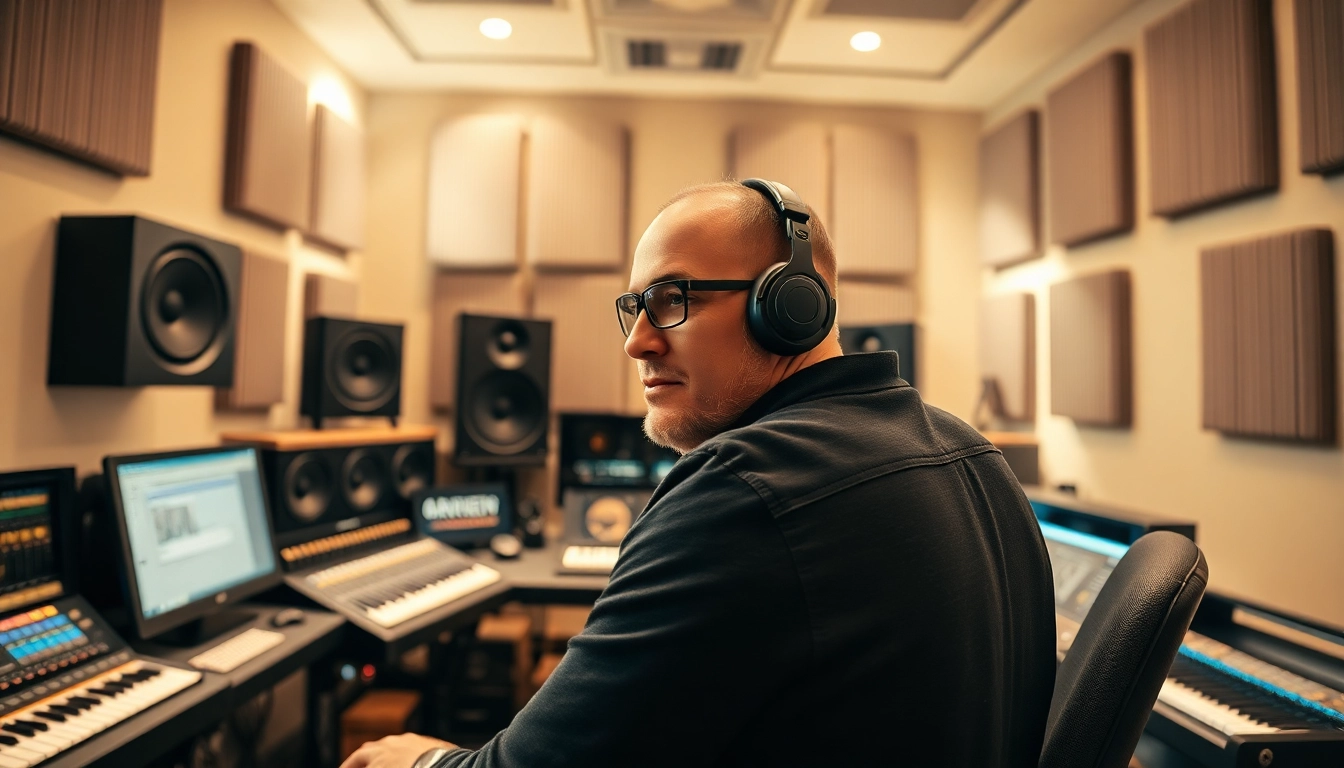
The mastering process relies heavily on advanced equipment and software. High-end converters, studio monitors, and acoustic treatment help achieve a professional sound. Essential software tools include digital audio workstations (DAWs) and plugin suites tailored for mastering. These tools enable mastering engineers to perform critical functions such as equalization, compression, limiting, and stereo enhancement. Investing in quality equipment forms the backbone of an effective online audio mastering workflow.
Basics of Sound Mixing vs. Mastering
While mixing involves blending individual audio tracks to create a cohesive sound, mastering is about refining that mix for distribution. Mixing focuses on elements like volume levels, panning, and effects, while mastering ensures that the final track has consistent loudness and tonal balance. Understanding this distinction is crucial for artists to effectively prepare their tracks for the mastering process, as a well-mixed track sets the stage for successful mastering.
Critical Listening Skills Required
Mastering engineers must possess exceptional critical listening skills. This includes the ability to detect subtle frequency imbalances, dynamic range issues, and stereo image discrepancies. Training the ears to differentiate between a good and great sounding mix is crucial. Engaging in regular practice with various musical genres helps develop these skills, ensuring engineers can make informed decisions during the mastering process that elevate the final product.
Selecting an Online Mastering Service
Criteria for Choosing the Right Service
Selecting the right online mastering service involves evaluating several criteria. Look for services with established expertise and positive client testimonials. Consider the technology they use—state-of-the-art equipment typically yields better results. Additionally, review their payment models and turnaround times. Transparency in the process and clear communication from the service provider are essential elements that can significantly affect your experience and the quality of the final product.
Benefits of Working With Professionals
Collaborating with professional mastering engineers can bring numerous advantages. Their specialized knowledge and experience ensure that your tracks are optimized for commercial release. Professionals are familiar with the nuances of different audio formats and distribution requirements, helping artists avoid common pitfalls. Most importantly, their objective perspective allows for enhancements that may not be evident to the original creator, ultimately resulting in a polished product that resonates with listeners.
Understanding Service Packages and Pricing
When assessing online mastering services, understanding their packaging and pricing structures is essential. Services often offer tiered packages ranging from basic to premium options. The basic packages may cover essential mastering tasks, while premium ones could include additional services such as multiple revisions or dedicated consultations. Being certain about what each package includes helps ensure you receive the value aligned with your budget and needs.
Best Practices for Preparing Your Tracks
Track Formatting Guidelines
Proper track formatting is crucial for a successful mastering experience. Ensure your tracks are mixed down to the highest quality audio files, ideally in uncompressed formats like WAV or AIFF. Maintain a bit depth of 24-bit and a sample rate of at least 44.1 kHz. Leave a few decibels of headroom to avoid digital clipping during mastering. Following these guidelines will facilitate a smoother mastering process and lead to better sound quality.
Final Mix Considerations
Before sending your tracks for mastering, revisiting your final mix is essential. Take time to listen critically and finalize volume levels. Pay attention to dynamic range—ensure the loudest peaks do not exceed -3 dB. Balancing the tonal quality is also vital; make sure no element overpowers the rest. Consider testing your track on different playback systems (headphones, speakers) to ensure it translates well before submission.
Communicating with Your Mastering Engineer
Effective communication with your mastering engineer can significantly enhance the outcome of the mastering process. Clearly articulate your goals and sound references, providing examples of tracks you admire. Be open to feedback and ready to discuss any adjustments your engineer recommends. This collaborative approach not only streamlines the process but also fosters a better understanding of your artistic vision.
Measuring Success in Online Audio Mastering
Analyzing Sound Quality Metrics
Success in mastering can often be quantified using various sound quality metrics. Focus on parameters such as loudness, dynamic range, frequency response, and stereo width. Tools like LUFS meters can help assess loudness levels, while dynamic range meters can provide insights into the variance between quiet and loud passages. Regularly analyzing these metrics ensures that your tracks meet industry standards and listener expectations.
Gathering Feedback from Your Audience
Gathering constructive feedback from your audience post-release can offer invaluable insights into the effectiveness of your mastering decisions. Encourage listeners to share their thoughts on sound quality and overall impact. Surveys or social media polls can facilitate this process. Engaging with your audience not only fosters a sense of community but also informs your future projects, ultimately enhancing your artistic growth.
Adjusting Based on Professional Insights
Remaining open to professional insights after mastering is crucial for continuous improvement. If mastering feedback indicates specific areas for adjustment, consider revisiting your mix or collaborating again with your mastering engineer. Don’t hesitate to apply lessons learned from the mastering experience to future projects, as this can help you evolve as an artist and elevate your sound quality over time.
Frequently Asked Questions
What does online audio mastering cost?
The cost of online audio mastering varies widely depending on the service provider and package chosen. Basic options are generally more affordable, while premium services cost more due to added features and expert input. It’s essential to evaluate what you receive in return for your investment.
How long does the mastering process take?
Typically, the online audio mastering process can take anywhere from a few hours to several days. The duration often depends on the service level chosen and the specific demands of your project. Always verify the expected turnaround time before committing.
Can I master my own tracks?
Yes, you can master your own tracks, especially with the availability of mastering software. However, achieving professional results requires experience and critical listening skills. For many, investing in professional mastering yields superior outcomes.
What file formats do I need to submit for mastering?
For mastering, submit uncompressed audio files, such as WAV or AIFF in a 24-bit depth and a sample rate of at least 44.1 kHz. This ensures high-quality audio for the mastering process.
Will mastering fix a bad mix?
While mastering can improve a mix's sound quality, it cannot fix significant issues related to balance and mixing. It's crucial to ensure the mix is solid before sending it for mastering.