
 Vehicles
Enhancing Your Ride with Ceramic Window Tint: Protection, Style,…
Understanding Ceramic Window Tint
What is Ceramic Window Tint?
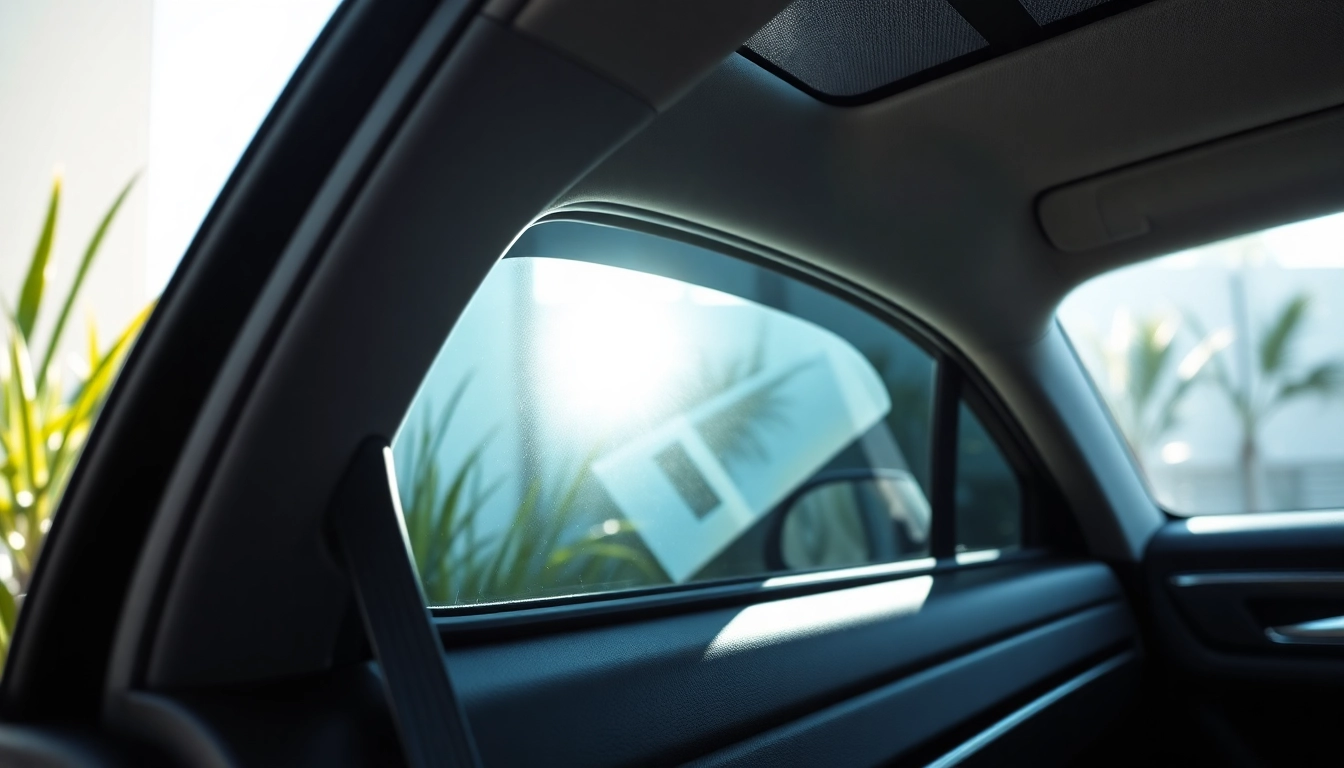
Ceramic window tint is a modern automotive film designed to enhance privacy, improve climate control, and protect the interior of your vehicle from UV rays and heat. Unlike traditional tint, which may contain dyed materials or metal elements, ceramic window tint is composed of advanced ceramic particles. These non-conductive materials allow for superior heat rejection and clarity without interfering with electronic signals, making it an ideal choice for modern vehicles equipped with technology.
Benefits of Using Ceramic Window Tint
The benefits of ceramic window tint extend beyond aesthetics and comfort. Here are some compelling advantages:
- UV Protection: Ceramic window tint blocks up to 99% of harmful UV rays, significantly reducing the risk of skin cancer and preserving your vehicle’s interior from fading.
- Heat Rejection: This tint can reject up to 50% of heat, keeping your car comfortable even on the hottest days and reducing the reliance on air conditioning.
- Glare Reduction: It minimizes glare from the sun, allowing for a safer driving experience.
- Durability: Ceramic films are known for their long lifespan and resistance to scratching, ensuring that they maintain their performance over time.
- Enhanced Clarity: Unlike metallic tints which can interfere with visibility, ceramic films provide clear views while effectively blocking heat and UV rays.
How Ceramic Window Tint Compares to Other Types
When comparing ceramic window tint to other types, such as dyed or metalized tints, several distinctions emerge:
- Dyed Tint: While dyed tints are more affordable, they can fade over time and offer limited UV protection. They also have the potential to interfere with some electronic devices due to their composition.
- Metalized Tint: This option provides increased durability and better heat rejection than dyed films but can create glare and interfere with GPS and cell signals.
- Ceramic Tint: Offers a balanced approach to heat rejection, durability, and clarity without the drawbacks of metal or dye.
The Installation Process of Ceramic Window Tint
Pre-Installation Preparation
Proper preparation is critical before the installation of ceramic window tint to ensure optimal results:
- Cleanliness: The windows must be thoroughly cleaned to remove dirt, residue, and oils to create a bond between the film and the glass.
- Temperature Control: Ideal installation temperatures range between 40 and 80 degrees Fahrenheit. Ensure the installation area is climate-controlled.
- Choose Quality Film: Source high-quality ceramic window tint from reputable manufacturers to avoid low-quality imitations that could impact effectiveness.
Steps to Install Ceramic Window Tint
The installation process of ceramic window tint typically follows these steps:
- Measuring and Cutting: Precise measurements of the windows are taken, and the film is carefully cut to size.
- Application of Solution: A soapy water solution is sprayed on the window and the adhesive side of the film to facilitate movement during application.
- Positioning the Film: Align the film on the window and gently press it into place, removing air bubbles using a squeegee.
- Curing: Allow the film to cure as per manufacturer recommendations, usually a few days, before rolling down windows.
Common Mistakes to Avoid
To achieve optimal results, avoid these common installation mistakes:
- Incorrect Sizing: Ensure films are cut slightly larger than the window to avoid exposure of unprotected glass edges.
- Poor Cleaning: Insufficient cleaning can lead to bubbles and imperfections.
- Skipping the Curing Process: Not allowing adequate drying time can lead to premature peeling or bubbling.
Maintaining Your Ceramic Window Tint
Regular Cleaning Techniques
Maintaining your ceramic window tint is essential for longevity. Here are cleaning techniques to follow:
- Use Gentle Cleaners: Opt for non-ammonia-based cleaners which can degrade the tint over time. A simple mixture of soap and water works best.
- No Abrasive Materials: Use microfiber cloths, which are soft and won’t scratch the film.
- Regular Cleaning Schedule: Make it a habit to clean your windows every few weeks to maintain clarity and appearance.
Long-term Care and Preservation
To preserve the integrity of your ceramic window tint, consider these long-term care tips:
- Avoid High-pressure Washes: Steer clear of automatic car washes that use harsh brushes, which can wear down window tints.
- Protect from Harsh Chemicals: Keep solvents and unnatural products away from the window surfaces.
- Be Mindful of Extreme Conditions: Extreme temperature changes can affect the film, so avoid leaving your vehicle in direct sunlight for extended periods.
Signs You May Need a Replacement
Watch for these signs that indicate it may be time to replace your ceramic window tint:
- Bubbles: Appearance of bubbles between the film and the glass is a clear sign of failure.
- Peeling: Edges that start to peel away from the glass indicate that the adhesives are failing.
- Discoloration: Any fading or discoloration signifies that the film can no longer offer UV protection effectively.
Cost Considerations for Ceramic Window Tint
Factors Affecting the Price
Understanding the factors influencing the cost of ceramic window tint can help in budgeting:
- Type of Vehicle: Larger vehicles or those with complex window shapes typically cost more to tint.
- Quality of Film: Higher-end ceramic films will significantly increase the installation price.
- Installation Expertise: Professional installation often adds to the cost but ensures better results than DIY methods.
Comparing Costs with Other Tinting Options
When considering the expense of ceramic window tint, it’s essential to compare it with other tinting options:
- Dyed Tint: More affordable but comes with a trade-off in longevity and UV protection.
- Metalized Tint: Generally falls in the middle range but may not outperform ceramic in terms of clarity and signal interference.
- Ceramic Tint: Though higher in upfront cost, its durability and performance may save money in the long run.
Budgeting for Installation
When budgeting for ceramic window tint installation, consider the following:
- Get Quotes: Reach out to multiple providers to get a range of quotes.
- Consider Specials: Some studios offer discounts or packages that might reduce the overall expense.
- Plan for Maintenance: Allocate funds for maintaining the tint after installation to enhance its lifespan.
Frequently Asked Questions About Ceramic Window Tint
How long does ceramic window tint last?
Ceramic window tint typically lasts between 10 to 20 years, depending on the quality of the film and maintenance practices.
Will ceramic window tint reduce glare?
Yes, ceramic window tint effectively minimizes glare, enhancing visibility while driving, particularly in bright conditions.
Is ceramic window tint suitable for all vehicles?
Yes, ceramic window tint can be applied to all vehicle types, including cars, trucks, and SUVs, enhancing their aesthetic appeal and comfort.
Can I install ceramic window tint myself?
While DIY kits are available, professional installation is recommended for optimal results, as improper application can lead to bubbling and peeling.
Does ceramic window tint block UV rays?
Ceramic window tint is highly effective at blocking up to 99% of harmful UV rays, offering significant protection for both passengers and interiors.

