
 Sports
Enhancing Engagement in Sports Broadcasting: Strategies for Success
Understanding the Landscape of Sports Broadcasting
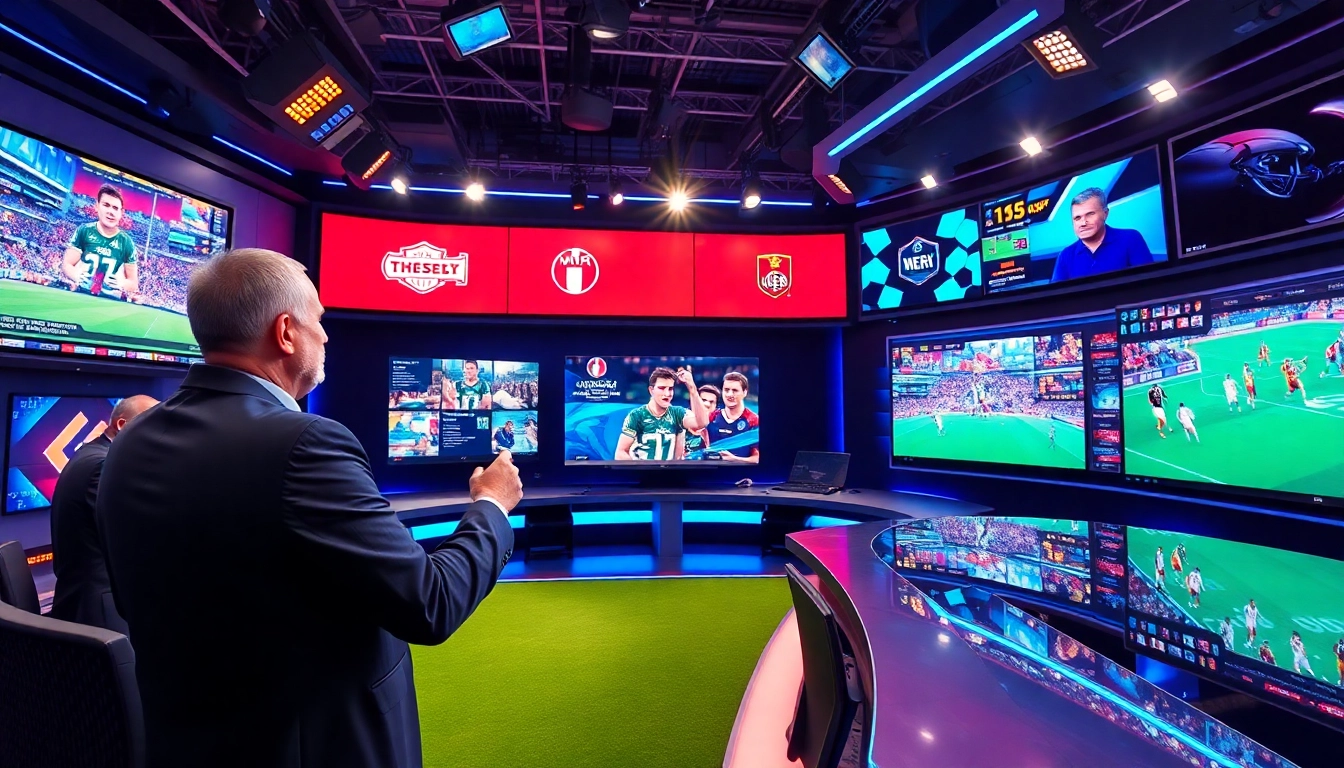
In today’s fast-paced digital era, Sports Broadcasting has undergone a remarkable transformation. From traditional television radio broadcasts to modern streaming platforms, the landscape is constantly evolving to meet the demands of viewers worldwide. This article delves into the nuanced ecosystem of sports broadcasting, examining its key components, current trends, and how technology is reshaping how we engage with sports content.
Defining Sports Broadcasting
Sports broadcasting encompasses the transmission of sports events and related content through various media channels. This includes live telecasts, pre-recorded shows, highlights, and even podcasts. The primary objective is to deliver sports entertainment to fans, providing information, analysis, and commentary. In recent years, sports broadcasting has diversified to cater to various audience preferences, which has led to an unprecedented increase in viewership across platforms.
Key Players in the Industry
The sports broadcasting industry consists of multiple stakeholders, including networks, production companies, streaming platforms, and the sports teams themselves. Traditional broadcasters like ESPN and NBC still hold a significant share of the market, while platforms such as Amazon Prime and Netflix are increasingly investing in original sports content. Moreover, social media channels are playing an essential role in disseminating sports highlights, news, and analyses, giving rise to new content creators and influencers.
Current Trends in Sports Broadcasting
One of the dominant trends in sports broadcasting is the shift towards streaming services. As more viewers opt out of cable subscriptions, networks have focused on innovative ways to reach their audiences, offering subscription-based models and ad-supported alternatives. Additionally, interactive features have gained traction, enhancing viewer engagement by allowing fans to partake in live polls, chats, and even virtual reality experiences during live events.
Technology’s Role in Sports Broadcasting
Innovative Tools and Platforms
Technology plays an imperative role in the evolution of sports broadcasting. From high-definition cameras and drones that offer stunning aerial shots to augmented reality graphics that layer additional context on the screen, technological innovations are redefining viewer experiences. Furthermore, artificial intelligence is increasingly being used for data analysis, enabling commentators to provide deeper insights into player performances and game strategies.
Impact of Streaming Services
The rise of streaming services has significantly altered viewer behaviors and expectations. Platforms such as YouTube TV and Hulu Live allow users to watch their favorite sports on-demand, breaking free from the traditional timeline dictated by cable networks. This flexibility has led to a more engaged audience eager for personalized content. Moreover, the ability to pause, rewind, and rewatch clips has revolutionized how fans consume sports content, making it more interactive and on-demand than ever before.
Future Technologies on the Horizon
Looking towards the future, several technologies are poised to make a noticeable impact on sports broadcasting. Virtual and augmented reality could provide fans with immersive experiences, allowing them to feel as if they are part of the action regardless of their location. Additionally, blockchain technology may streamline content rights management and enhance transparency in transactions, ultimately benefiting creators and audiences alike.
Content Strategies for Effective Sports Broadcasting
Creating Engaging Sports Narratives
Compelling storytelling is at the heart of effective sports broadcasting. Successful broadcasters craft narratives that resonate with fans, making them feel emotionally invested in the contests they are viewing. This could involve highlighting personal journeys of athletes, showcasing underdog teams, or diving deep into historical rivalries. Narratives take center stage when they make the audience feel connected to the story behind the sport, elevating the overall viewing experience.
Utilizing Social Media for Broader Reach
Social media platforms are essential tools for broadcasters looking to expand their reach. By sharing snippets of live coverage, behind-the-scenes content, and athlete interviews, networks can engage audiences across various demographics. Leveraging hashtags, user-generated content, and interactive features like polls or Q&A sessions can significantly enhance engagement and foster community among fans. Furthermore, a strategic presence on social media complements traditional broadcasting, creating a holistic approach to audience engagement.
Analyzing Audience Engagement Metrics
Understanding audience engagement metrics is crucial for broadcasters to refine their strategies and improve content delivery. By analyzing viewer habits—such as which segments capture the most attention or the peak viewing times—broadcasters can tailor their programming. Tools like Google Analytics and social media insights provide valuable data, enabling broadcasters to adjust content based on audience preferences, ultimately leading to higher retention rates and more substantial viewer satisfaction.
Challenges Facing Sports Broadcasting Today
Overcoming Content Saturation
With the explosion of content options available to audiences today, sports broadcasting faces challenges of content saturation. Viewers can easily become overwhelmed with the sheer volume of broadcasts, highlights, and opinion pieces flooding their screens. To stand out, broadcasters must focus on quality over quantity. By developing unique content that adds value—whether through in-depth analysis or exclusive interviews—broadcasters can differentiate themselves in a crowded marketplace.
Adapting to Changing Viewer Preferences
Viewer preferences are ever-changing, shaped by trends in technology and lifestyle choices. Understanding the demographic shifts, such as the increasing preference of younger audiences for mobile accessibility and video-on-demand content, is crucial. Broadcasters need to invest in research to stay ahead of these trends, ensuring that they cater to the evolving needs of their viewers. Emphasizing flexibility in content delivery and developing partnerships with tech platforms will allow broadcasters to meet these demands effectively.
Balancing Commercial Interests and Authenticity
Maintaining a balance between commercial interests and authenticity presents a significant challenge in sports broadcasting. While advertisers drive revenue, overt commercialization can alienate audiences. Broadcasters must deliver content that feels genuine, ensuring the viewer experience remains authentic. This can be achieved by selectively curating sponsorships that align with the values of the sports community and producing segments that prioritize storytelling over promotional tactics.
Best Practices for Success in Sports Broadcasting
Delivering High-Quality Production
Quality production is non-negotiable in sports broadcasting. This encompasses not only the technical aspects—like camera quality, sound clarity, and editing—but also the narrative and presentation styles. Investment in high-quality cameras, skilled editors, and engaging graphics will elevate broadcasts, offering a professional experience that keeps audiences returning. A consistent branding strategy across all platforms also reinforces professional credibility and viewer loyalty.
Building Relationships with Fans
In the age of social media, building strong relationships with fans is more important than ever. Broadcasters should foster community engagement by encouraging dialogue, responding to comments, and hosting interactive events or Q&A sessions. Personalized experiences, such as fan shout-outs or real-time engagement during live broadcasts, create a sense of belonging among viewers, which is vital for long-term loyalty.
Measuring Success in Sports Broadcasting
Success in sports broadcasting can be quantified through various metrics, including viewership numbers, audience engagement rates, and subscription growth. Implementing tools for real-time data analysis allows broadcasters to make informed decisions based on performance metrics. Regularly assessing viewer feedback and ratings provides insights into what aspects resonate most and what needs improvement, thus fostering a culture of continuous growth.
Frequently Asked Questions
What is sports broadcasting?
Sports broadcasting refers to the distribution of sports events and content across various media, including television, radio, and streaming services, primarily focused on delivering entertainment to fans.
How do streaming services impact sports broadcasting?
Streaming services have revolutionized sports broadcasting by providing flexible, on-demand access to content, appealing to younger audiences seeking personalized viewing experiences.
What role does technology play in sports broadcasting?
Technology enhances the production value and viewer engagement in sports broadcasting through innovative tools such as HD cameras, AI data analysis, and immersive virtual reality experiences.
How can broadcasters improve audience engagement?
Broadcasters can enhance audience engagement by creating compelling narratives, actively utilizing social media, and analyzing viewer data to refine their content strategies.
What are the challenges in sports broadcasting?
Key challenges include content saturation, rapidly changing viewer preferences, and the need to balance commercial interests with authentic content delivery.
